
Plants Won't Kill Your Gains

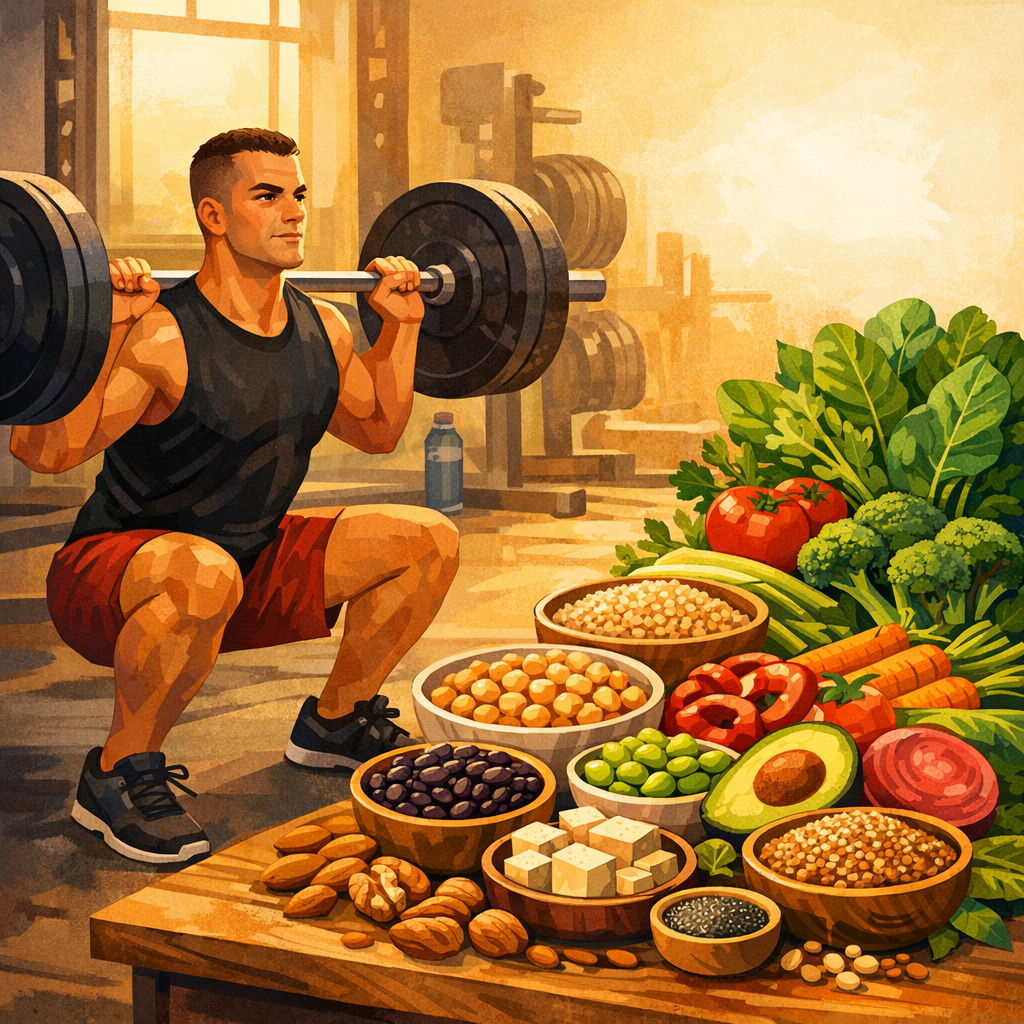
Plants Won't Kill Your Gains
Here's the thing about plant-based eating: most people treat it as an all-or-nothing identity swap. Either you go full vegan with a tote bag and a strong opinion about oat milk, or you don't bother.
Nobody's pitching a middle ground.
But the research doesn't care about your identity. It just shows what happens when you eat more plants — and the answer is actually pretty useful.
The Heart Stuff First
The most consistent finding in plant-based nutrition research is on cholesterol.
A meta-analysis published in JAMA Network Open looked at vegetarian and vegan dietary patterns specifically in people with established cardiovascular disease or high CVD risk — not just healthy volunteers in a lab. The result: significant, consistent reductions in LDL cholesterol and total cholesterol compared to omnivorous diets (JAMA Network Open, 2023).
LDL is the number your doctor actually worries about. And this isn't a borderline finding in a small study — it held up across multiple trials in a population that already had elevated risk.
If your last physical came back with a "something to keep an eye on" on the cholesterol line, this is the kind of dietary shift that moves numbers without adding a prescription. Worth a conversation with your doctor, especially if you're already on a statin.
The Gains Objection
Now, the question most people are actually sitting with: what about muscle?
The concern is that plant protein is "incomplete" or somehow inferior — that if you swap out chicken for lentils, you'll lose the muscle you worked for. It's the main reason a lot of people resist eating more plants, and honestly, it's not a stupid concern.
But here's what a 2025 randomized controlled trial in The American Journal of Clinical Nutrition found: in middle-to-older adults doing resistance training, a plant-predominant protein diet produced the same increase in muscle protein synthesis as an animal-predominant diet (American Journal of Clinical Nutrition, 2025).
Same. Increase.
The critical qualifier is adequate total protein intake. When participants ate enough total protein overall, their muscles didn't care much whether it came mostly from plants or mostly from animals.
This doesn't mean protein quality is a myth — plant proteins do vary in their amino acid profiles, and some require a bit more thought to cover all your bases. But the idea that animal protein is the only reliable path to maintaining muscle? The evidence doesn't back that up as a hard rule, particularly if you're eating a varied diet and keeping your overall intake up.
What This Looks Like in Real Life
You don't need a meal plan overhaul. Here's the version that actually sticks:
- Swap one or two meals a week to plant-based protein — beans, lentils, tofu, tempeh, edamame are all solid options
- Don't just remove animal protein without replacing it — the muscle benefits require keeping total protein intake consistent
- Stick to whole plant foods rather than "vegan junk food" — heavily processed plant-based meat substitutes are still ultra-processed food, and that's a different conversation entirely
- Give it a few months and recheck your numbers — if you're making consistent swaps, your LDL may respond faster than you'd expect
The Short Version
Eating more plants — even without going fully vegetarian — can meaningfully reduce your cardiovascular risk. And if you're getting enough total protein, your muscles can handle the shift.
You don't need the tote bag. You just need to eat some beans a few times a week.
References
- American Journal of Clinical Nutrition (2025). Resistance training increases myofibrillar protein synthesis in middle-to-older aged adults consuming a typical diet with no influence of protein source. https://ajcn.nutrition.org/article/S0002-9165(25)00236-9/fulltext
- JAMA Network Open (2023). Vegetarian Dietary Patterns and Cardiometabolic Risk in People With or at High Risk of Cardiovascular Disease: A Systematic Review and Meta-analysis. https://jamanetwork.com/journals/jamanetworkopen/fullarticle/2807597
Recommended Products
We may earn a small commission from qualifying purchases. This helps support our content at no extra cost to you.
- →The No Meat Athlete Cookbook: Whole Food, Plant-Based Recipes to Fuel Your Workouts
125 plant-based recipes designed specifically to fuel workouts and support muscle health — a natural companion to the article's message that plants and gains are fully compatible.
- →Tofuture Tofu Press – BPA-Free, Dishwasher Safe, 3-Level Pressure
Tofu is called out in the article as a top plant protein source. This highly-rated press removes excess moisture quickly for firmer, crispier, more flavorful tofu — making it much easier to cook with regularly.
- →Food to Live Organic Whole Green Lentils, 5 Pounds – Non-GMO, High Protein, Vegan
Lentils are specifically recommended in the article as one of the easiest plant-protein swaps. This certified organic bulk bag makes it simple and affordable to add lentils to weekly meals for both cardiovascular and muscle benefits.
- →The Complete Plant-Based Cookbook by America's Test Kitchen – 500 Flexible Recipes
America's Test Kitchen's rigorously tested collection of 500 whole-food plant-based recipes. Ideal for readers who want to put the article's practical advice — swapping in beans, lentils, tofu, and tempeh — into delicious everyday meals.
- →NAKED Pea – 5LB 100% Pea Protein Powder, Unflavored, NSF Certified, Vegan (76 Servings)
The top-rated unflavored pea protein isolate — NSF Certified for purity and safety, with 27g of protein and 5.7g of BCAAs per serving. Mechanically extracted from North American yellow split peas with zero additives. The 5 lb container delivers 76 servings, making it the best-value option for readers looking to consistently hit the total protein targets the article emphasizes for maintaining muscle on a plant-based diet.
Cal is the guy who skips to the bottom of the article for the takeaway. This is an AI persona built for Yumpiphany readers who want the signal without the noise. Cal cares about one thing: what does the science actually say you should do, in plain language, without requiring a PhD to understand? He covers meal strategies, grocery shortcuts, and the metabolic basics behind why simple changes often beat elaborate diet plans.