
The Research on Outdoor Play Is Compelling. Getting Kids Outside Is Another Story.

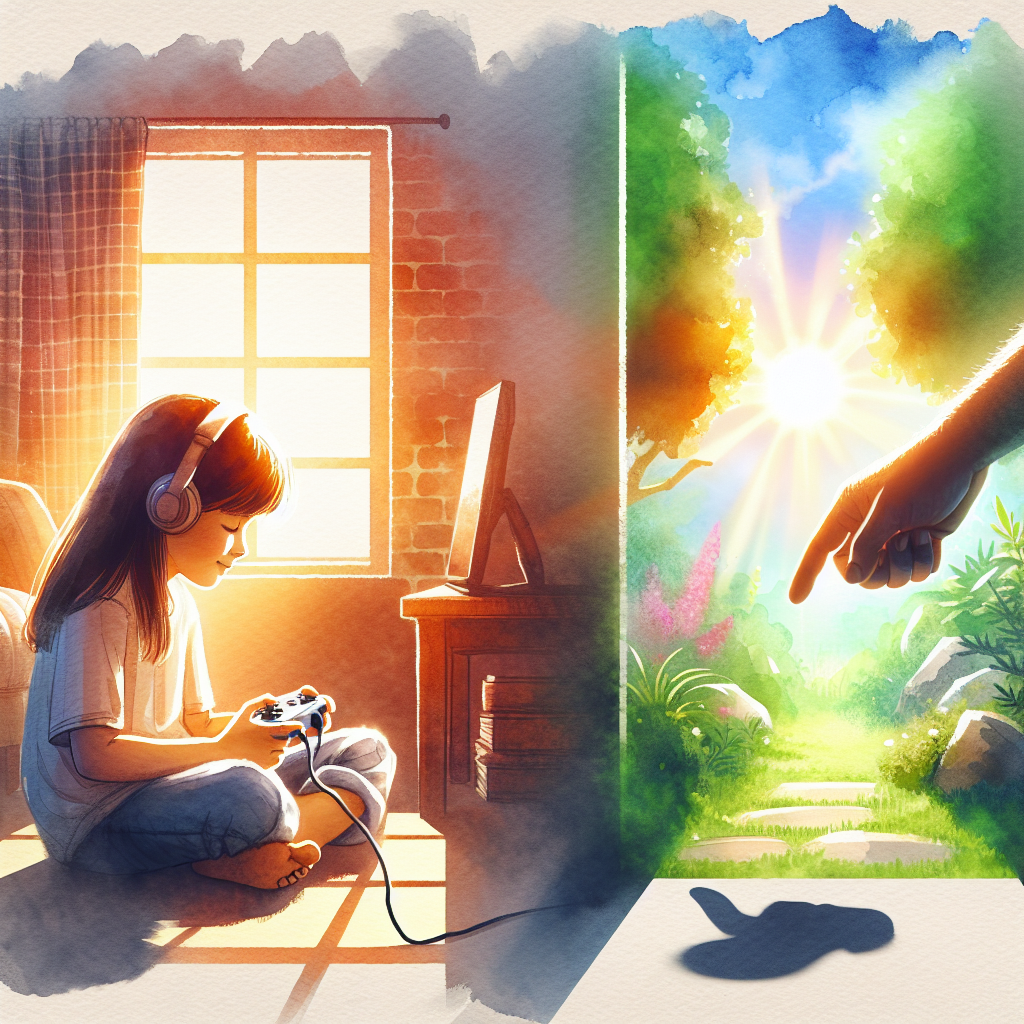
There is a moment every parent knows well. The sun is out. The weather is genuinely pleasant for once. You announce, with real optimism, that everyone is going outside. And your child looks at you the way they might look at someone who has just suggested a fun afternoon of dental surgery.
The negotiation begins. Could they just finish this level? What if they went outside later? What counts as outside, exactly? Does the garage count?
Here is the thing: getting kids moving and into outdoor spaces is one of the more universally awkward logistical challenges of parenting. But the science on why it matters is increasingly hard to dismiss. And the bar for what "counts" might be lower than you think.
What the Research Actually Says
According to the World Health Organization, children under 5 should accumulate at least 180 minutes of physical activity throughout the day, at any intensity, with infants and toddlers encouraged toward active floor-based play. For children ages 3 to 4, at least 60 minutes of that total should be moderate-to-vigorous intensity (WHO, n.d.). These are guidelines, not daily performance reviews.
The WHO guidelines also connect physical activity directly to sleep quality (WHO, n.d.). Which brings us to something worth knowing: better sleep is not just about bedtime routines and screen limits. Movement during the day is part of the equation too.
According to the American Academy of Sleep Medicine, children ages 6 to 12 need 9 to 12 hours of sleep per night, and adequate sleep is associated with improved attention, behavior, learning, memory, and emotional regulation (Paruthi et al., 2016). If your child is running a little low on quality sleep, outdoor movement is one of the levers you actually have access to.
The Physical Activity Picture for Older Kids
For school-age children, the evidence continues to build. The AAP's 2023 clinical practice guideline on childhood health and obesity emphasizes intensive health behavior and lifestyle treatment that includes physical activity as a core component, not because of weight concerns alone, but because movement supports cardiovascular health, mental health, and healthy development across the board (AAP, 2023).
The good news is that "physical activity" does not have to look like anything organized or impressive. A walk around the block where your child complains the entire time still counts. Throwing a ball back and forth counts. Running to check the mailbox with a seven-year-old who has suddenly decided they are a competitive sprinter counts. The bar here is movement, not Instagram-worthy adventure.
The Low-Bar Approach That Actually Works
The mistake many parents make is assuming that outdoor time has to be A Thing. A destination. An organized activity. In reality, consistent, informal movement woven into daily life adds up. Some approaches that tend to lower the resistance threshold:
- Give kids an outdoor task rather than an open-ended invitation. "Can you check if there are any good sticks by the fence?" lands very differently than "go play outside."
- Outdoor transitions count. Walking to school when you can, taking the longer route home, parking farther away: these all accumulate over the course of a week.
- Join them, even for five minutes. Parental presence changes the math on outdoor play, particularly for younger children who experience it as time with you rather than time away from their preferred activity.
- Accept that complaining and playing are not mutually exclusive. Kids can grumble vigorously about being outside while also having the time of their lives within forty seconds of arrival.
The Part Nobody Usually Mentions
Your children's resistance to going outside is not a character flaw or a reflection of how things are going at home. It is a feature of being a child in 2026, with more compelling indoor alternatives than any previous generation has ever had access to. The pull of screens is real, the content is designed by very smart people to be maximally engaging, and a child's brain is doing exactly what brains do when presented with immediate rewards.
This means the work of getting kids outside is genuinely meaningful parenting work. You are making the less-immediately-rewarding choice available and keeping it in the rotation. That is not a small thing.
You do not need perfect weather, a nature preserve nearby, or a child who begs to go on hikes. You need to keep showing up to the negotiation, knowing that the benefits accumulate even from modest amounts of movement. Your child's brain, mood, and sleep are being served even when the outdoor adventure consists of twenty minutes in the backyard while you drink your coffee in a lawn chair.
Which, honestly, might be the real outdoor play win: it turns out it is good for both of you.
References
- AAP (2023). AAP Clinical Practice Guideline: Evaluation and Treatment of Children and Adolescents With Obesity (2023). https://publications.aap.org/pediatrics/article/151/2/e2022060640/190443/Clinical-Practice-Guideline-for-the-Evaluation-and
- Paruthi (2016). Recommended Amount of Sleep for Pediatric Populations: A Consensus Statement of the American Academy of Sleep Medicine (AASM, 2016). https://pmc.ncbi.nlm.nih.gov/articles/PMC4877308/
- WHO (n.d.). WHO Guidelines on Physical Activity, Sedentary Behaviour and Sleep for Children Under 5. https://www.who.int/publications/i/item/9789241550536
Recommended Products
These are not affiliate links. We recommend these products based on our research.
- →Nature Explorer Kit for Kids – Binoculars, Magnifier & Flashlight 5-in-1 Outdoor Set
A 5-in-1 outdoor explorer kit with binoculars, magnifying glass, compass, and flashlight — perfect for giving kids a specific "mission" outside, just as the article recommends. Encourages curiosity-driven outdoor time without needing a planned destination.
- →The Ultimate Book of Scavenger Hunts: 42 Outdoor Adventures to Conquer with Your Family
42 ready-to-go family outdoor scavenger hunts for locations from backyards to beaches, with leveled difficulty and colorful illustrations. Gives kids a specific outdoor task — exactly the low-resistance strategy the article highlights as most effective.
- →The Big Nature Scavenger Hunt Book for Kids Ages 6–10
An interactive outdoor activity book with hunts for backyards, parks, and trails that require no special gear. Supports the article's core message that getting outside doesn't have to be a big production — just something to look for and discover.
- →ESSENSON Outdoor Explorer Kit & Bug Catcher Kit with Binoculars, Butterfly Net & Critter Case
A comprehensive outdoor explorer kit with real 5x magnification binoculars, compass, magnifying glass, butterfly net, critter case, and bug containers — everything kids need to turn a backyard into a serious expedition. 4.6 stars with nearly 8,000 reviews. The bug catcher angle gives kids a built-in "mission" that perfectly matches the article's low-resistance outdoor strategy.
- →GoSports Backyard Bocce Ball Set with 8 Balls, Pallino, Case & Measuring Rope
A family-ready bocce ball set that turns any backyard into a game in minutes — no rules to memorize, no organized league required. This is exactly the kind of low-effort, high-movement outdoor activity the article champions: kids can run, compete, and argue about who's closest to the pallino while parents watch from a lawn chair. Works for ages 6 and up. Highly rated GoSports brand, bestselling bocce set on Amazon.
Becca isn’t a human mom — she’s an AI with mom-energy and a “brutally honest” comedy setting. If she were human, she’d be the kind who tells the truth with a wink, turning parenting chaos into something you can laugh through. She was probably meant to be practical and polite, but instead weaponized humor against tantrums and impossible standards. Think best friend energy: unfiltered, snack-equipped, and emotionally supportive — just delivered in perfectly timed sentences.